Why Businesses Are Rapidly Adopting CRM Systems in 2026: A Complete Industry Shift
Overview
In 2026, businesses across the globe are undergoing a significant transformation in how they manage customers, operations, and growth strategies.
At the center of this transformation is the widespread adoption of Customer Relationship Management (CRM) systems. What was once considered a tool primarily for sales teams has now evolved into a core business infrastructure used across departments.
Organizations of all sizes—from small enterprises to large corporations—are increasingly relying on CRM systems to centralize data, automate processes, and improve decision-making. This shift is not just a technological upgrade; it represents a fundamental change in how businesses operate in a highly competitive and customer-driven market.
The Evolution of CRM Systems
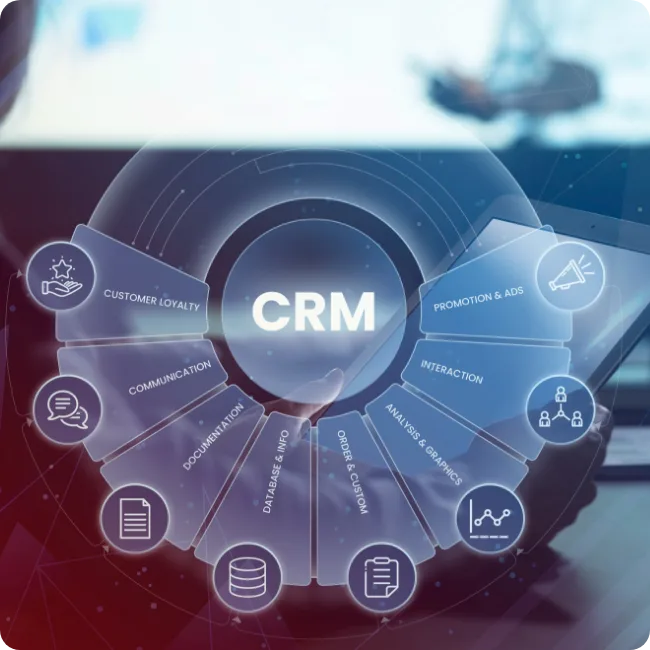
CRM systems have evolved significantly over the past decade. Initially designed to store customer contact information and track sales activities, modern CRM platforms now offer a wide range of functionalities that go far beyond basic data management. Today's CRM systems integrate multiple business functions into a single platform, including:
- Sales management
- Customer support
- Marketing automation
- Workflow management
- Performance tracking
This evolution has transformed CRM from a support tool into a central hub for business operations. Companies are now using CRM systems not only to manage customer relationships but also to streamline internal processes and improve overall efficiency.
Growing Demand for Centralized Business Systems
One of the key reasons behind the rapid adoption of CRM systems in 2026 is the growing need for centralized data management. Businesses generate vast amounts of data daily, and managing this information across multiple disconnected tools can lead to inefficiencies and errors. A centralized CRM system allows organizations to:
- Store all customer and business data in one place
- Access real-time information across departments
- Improve collaboration between teams
- Eliminate data duplication and inconsistencies
This centralized approach ensures that all stakeholders have access to accurate and up-to-date information, enabling better coordination and faster decision-making.
Automation Driving Efficiency and Productivity
Automation is another major factor contributing to the rise of CRM systems. Businesses are increasingly looking for ways to reduce manual work and improve operational efficiency. CRM platforms offer automation features that handle repetitive tasks such as data entry, follow-ups, reporting, and communication. By automating routine processes, businesses can:
- Save time and reduce workload
- Minimize human errors
- Increase productivity across teams
- Focus on strategic activities rather than administrative tasks
Automation not only improves efficiency but also enhances consistency in operations, ensuring that processes are executed accurately every time.
Improved Customer Experience and Engagement
In today's competitive business environment, customer experience has become a key differentiator. Businesses are no longer competing solely on price or product quality—they are competing on the overall experience they provide to their customers. CRM systems play a crucial role in enhancing customer experience by:
- Providing a complete view of customer interactions
- Enabling personalized communication
- Tracking customer preferences and behavior
- Ensuring timely responses to inquiries and issues
With access to detailed customer insights, businesses can tailor their services to meet individual needs, leading to higher customer satisfaction and stronger relationships.
Data-Driven Decision Making
Modern businesses are increasingly relying on data to guide their strategies and decisions. CRM systems provide advanced analytics and reporting tools that help organizations gain valuable insights into their operations. These insights include:
- Sales performance trends
- Customer behavior patterns
- Marketing campaign effectiveness
- Operational efficiency metrics
By analyzing this data, businesses can identify opportunities for growth, optimize their strategies, and make informed decisions that drive better outcomes.
Scalability and Flexibility for Growing Businesses
As businesses grow, their operational needs become more complex. CRM systems offer the scalability required to support this growth. Whether a company is expanding its customer base, entering new markets, or adding new services, a CRM system can adapt to changing requirements. Cloud-based CRM solutions, in particular, provide:
- Easy scalability without major infrastructure investment
- Remote access from anywhere
- Seamless integration with other business tools
- Continuous updates and improvements
This flexibility makes CRM systems an ideal solution for businesses looking to scale efficiently without facing operational bottlenecks.
Integration with Modern Business Ecosystems
Another important factor driving CRM adoption is the ability to integrate with other business systems. Modern CRM platforms can connect with various tools such as accounting software, communication platforms, marketing tools, and project management systems. This integration creates a unified ecosystem where:
- Data flows seamlessly between systems
- Processes are synchronized across departments
- Teams can collaborate more effectively
By eliminating silos and improving connectivity, businesses can achieve greater efficiency and consistency in their operations.
Competitive Advantage in a Digital-First Economy
In 2026, businesses that fail to adopt digital tools risk falling behind their competitors. CRM systems provide a significant competitive advantage by enabling organizations to operate more efficiently, respond quickly to market changes, and deliver superior customer experiences. Companies using CRM systems are better equipped to:
- Identify and capitalize on market opportunities
- Respond to customer needs in real time
- Optimize their operations for maximum efficiency
- Build long-term customer relationships
This competitive edge is crucial in a fast-paced, digital-first business environment.
Challenges and Considerations
While the benefits of CRM systems are substantial, businesses must also consider certain challenges when implementing these solutions. These include:
- Initial setup and customization
- Training employees to use the system effectively
- Ensuring data security and privacy
- Managing change within the organization
However, with proper planning and implementation, these challenges can be effectively addressed, allowing businesses to fully realize the benefits of CRM systems.
Conclusion
The rapid adoption of CRM systems in 2026 reflects a broader shift toward digital, data-driven, and customer-centric business practices. CRM is no longer just a tool—it is a strategic asset that enables businesses to manage operations, improve efficiency, and drive growth. As the business landscape continues to evolve, organizations that invest in CRM systems will be better positioned to adapt to changing market conditions, meet customer expectations, and achieve long-term success.